Mallika Tower, Near Ram Mandir, Bhandara

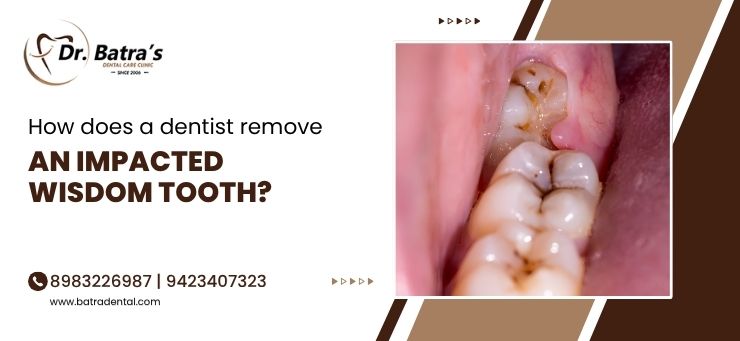
Did you know wisdom teeth are one of the few teeth that can stay trapped inside the jaw for years before suddenly creating trouble?
Many people experience a dull ache near the back of their mouth while chewing or brushing, along with jaw pressure or recurring swelling. Often, this is caused by an impacted tooth trying to erupt without enough space.
At Dr. Batra's Dental Care Clinic, many patients worry about surgery, swelling, and pain during their wisdom tooth removal in Bhandara. However, modern dental techniques have made the removal of impacted teeth more comfortable and predictable than expected.
For those considering wisdom tooth removal, understanding the procedure can help ease anxiety from the start.
Wisdom teeth are the last molars that usually appear during the late teenage years or early twenties. In many people, there is not enough space in the jaw for these teeth to erupt properly.
As a result, the tooth may:
A sideways growing wisdom tooth is one of the most common reasons patients develop recurring pain and swelling.
When the tooth cannot come out normally, it may lead to recurring impacted tooth pain and infection near the back of the mouth.
An impacted wisdom tooth may remain silent for some time before symptoms appear. Once inflammation develops, discomfort usually starts increasing gradually.
Common symptoms include:
Many patients also experience swollen gums around third molar areas that become painful during eating or brushing.
In some cases, recurring infection may require immediate wisdom tooth pain treatment to control swelling and discomfort.
Not every wisdom tooth needs surgery. However, dentists often recommend wisdom tooth extraction when the tooth is damaging nearby structures or repeatedly becomes infected.
Delaying treatment may increase the risk of:
At Dr. Batra's Dental Care Clinic, patients seeking wisdom tooth removal in Bhandara are often advised to have their impacted teeth removed before repeated infections damage the surrounding gums and bone.
A partially erupted wisdom tooth creates a small flap of gum tissue where bacteria and food particles easily collect.
This may lead to:
These are common wisdom tooth infection symptoms that usually worsen if left untreated.
Many patients with recurring swelling near the tooth also require pericoronitis treatment, which focuses on controlling infection around the partially erupted tooth.
Before planning the surgery, the dentist performs a detailed examination of the mouth and jaw.
This usually includes:
The X-ray helps determine:
This assessment helps the dentist plan a safer wisdom tooth removal procedure for the patient.
The procedure depends on how deeply the tooth is trapped inside the jaw.
In many cases, the area is numbed completely before starting. Patients usually feel pressure during safe wisdom teeth extraction, but not sharp pain.
During surgical wisdom tooth removal, the dentist may:
In deeply impacted cases, bone removal in tooth extraction may become necessary to access the tooth safely without damaging nearby structures.
Modern painless tooth extraction techniques help make the process much more comfortable than many patients expect.
A tooth that has fully erupted above the gums may sometimes be removed like a regular, painless tooth extraction.
However, impacted teeth usually require:
This is why third molar surgery is often recommended for deeply impacted wisdom teeth.
The complexity depends on:
Fear of pain is one of the biggest reasons patients delay treatment.
During modern wisdom tooth extraction, local anesthesia keeps the area numb throughout the procedure. Most patients mainly feel pressure rather than severe pain.
After surgery, mild discomfort is common for a few days, especially in cases involving:
Dentists usually prescribe medicines and care instructions to help with wisdom tooth pain relief during recovery.
Once the tooth is removed, the area is cleaned carefully to reduce infection risk.
Depending on the case:
Patients commonly experience mild jaw pain from wisdom tooth surgery during the first few days, especially while chewing or speaking.
Temporary jaw stiffness after extraction may also occur when the surrounding muscles remain inflamed after surgery.
The first few days after surgery are usually focused on reducing swelling and protecting the healing area.
Most patients notice gradual improvement in swelling, pain, chewing comfort, and mouth opening.
Proper healing after tooth extraction depends heavily on following the aftercare instructions carefully.
Dentists usually advise:
Ignoring aftercare instructions may slow healing and increase discomfort.
Certain cases cannot wait for planned treatment because the infection becomes severe quickly.
Patients may require emergency tooth removal when they develop:
These symptoms often indicate aggressive infection around the impacted tooth that requires immediate attention.
Patients are often surprised when dentists mention bone removal during surgery.
In reality, impacted teeth are frequently trapped beneath jawbone tissue. In these cases, limited bone removal in tooth extraction helps expose the tooth safely.
This process allows the dentist to:
Modern instruments make this process much more precise and controlled than patients usually imagine.
Most patients return to routine activities within a few days, depending on the difficulty of the tooth extraction process.
After safe wisdom teeth extraction, mild swelling and soreness generally improve gradually over 3 to 7 days, while deeper impactions may sometimes take longer.
Complete healing after tooth extraction inside the bone may continue for several weeks, even after visible healing improves.
Patients with a deeply impacted tooth may take slightly longer to recover fully.
Proper recovery depends heavily on avoiding activities that disturb the healing area.
Dentists usually advise patients to avoid:
Following instructions carefully helps support faster healing and reduces complications after wisdom tooth extraction.
Many patients delay surgery because the pain comes and goes temporarily.
However, untreated impacted wisdom teeth often become more complicated over time due to:
Early safe wisdom teeth extraction is often simpler compared to waiting until severe infection develops.
At Dr. Batra's Dental Care Clinic, patients are frequently advised that timely care usually reduces surgical difficulty and recovery discomfort significantly.
An impacted wisdom tooth rarely improves permanently on its own once repeated infection and swelling begin developing. While medicines may temporarily reduce pain, the problem often returns because the tooth position itself remains unchanged.
At Dr. Batra's Dental Care Clinic, patients seeking wisdom tooth removal are often relieved to learn that the procedure is planned carefully based on the tooth position, surrounding bone, and overall oral condition. Modern techniques, proper anesthesia, and detailed surgical planning help make the experience much safer and more comfortable than many people expect.
Addressing the problem early often helps patients avoid repeated infections, worsening pain, and more complicated treatment later.
Modern wisdom tooth removal is usually performed under local anesthesia, so patients mainly feel pressure instead of sharp pain. Mild soreness and swelling after surgery are common but manageable with medicines and proper care.
Deeply trapped teeth usually require surgical wisdom tooth removal, where the dentist opens the gums, removes small amounts of surrounding bone, and gently removes the tooth in sections if necessary.
Many patients return to light work within 2 to 3 days, depending on swelling and discomfort. Recovery may take longer after complicated third molar surgery or deeper impacted teeth.
Patients should avoid smoking, drinking through straws, hard foods, and vigorous rinsing after wisdom tooth extraction because these activities may disturb healing and increase discomfort.
Try sneezing with your mouth open to reduce pressure near the surgical area. Following proper aftercare instructions helps support smoother healing after tooth extraction.